Mobility · Tech Blog
Why Ta’ Qali would be an ideal site to test driverless cars

Malta can repeat its regulatory success in gaming and maritime by moving early on autonomous mobility. Matthew Bezzina explains why Ta’ Qali could become Europe’s site for autonomous vehicle testing.
Driverless cars are already here
In cities across the US and Asia, autonomous vehicles (AVs) already run at commercial scale.
Europe is behind. It remains fragmented, slowed by cautious approvals and open questions about safety, liability and oversight.
London stands out. Earlier this year, it signalled that it wants to host competing US and Chinese robotaxi operators. The British capital is choosing to shape how this technology works within its borders.
Malta should take note.
Malta has done this before
When regulators embrace new technology early, investment follows. We have seen it time and again.
In gaming, aviation and maritime services, Malta was among the first to offer:
- clear licensing
- enforceable standards
- predictable oversight
That turned complex, even high-risk sectors into pillars of our economy.
I believe autonomous mobility could be next. But only if we act now and shape the narrative, rather than wait for others.
Taxi operators are preparing for driverless fleets
At eCabs Technologies, we are already building the infrastructure to support driverless cars in the countries and cities where we operate.
This is not a distant scenario. It is only a matter of time before at least one operator in the 12 cities and territories we support deploys driverless cars.
Last week, I attended the Meet-the-Cab conference in Vienna, Europe’s largest taxi industry event. The future of urban mobility with autonomous vehicles dominated the agenda.
Senior leaders from MOIA (Volkswagen Group), Tensor, Pony.ai and German innovator INYO were there. It was clear that AV discussions have moved past speculation and into strategic planning.
Hybrid fleets, not overnight replacement
Vienna produced a practical consensus: driverless vehicles will not replace whole taxi fleets overnight.
Instead, operators prefer hybrid fleets. They will add autonomous vehicles gradually, alongside human-driven cars. One European operator I spoke to plans to run 20 autonomous vehicles in a fleet of 200.
This approach:
- reduces risk
- allows step-by-step learning
- keeps services running without interruption
- gives regulators and insurers time to catch up
It also means driver jobs will not be at risk.
Why Ta’ Qali is ideal for autonomous vehicle testing
Malta should seize this opportunity. The first step is a controlled regulatory sandbox where autonomous vehicles can be tested, monitored and governed.
Ta’ Qali is an ideal site. It would not be an academic exercise. It would be a commercial and legislative testbed, where driverless technology is deployed and studied in real-world conditions.
A sandbox at Ta’ Qali would let:
- the government keep testing in one defined area, instead of spreading pilots across our busy public roads
- regulators observe vehicle behaviour and build approval processes before a wider rollout
- authorities stress-test public safety cases
- insurers and lawmakers draft and refine liability frameworks
Driverless cars will run as fleets
For the sandbox to matter, it must reflect how autonomous vehicles will really be used.
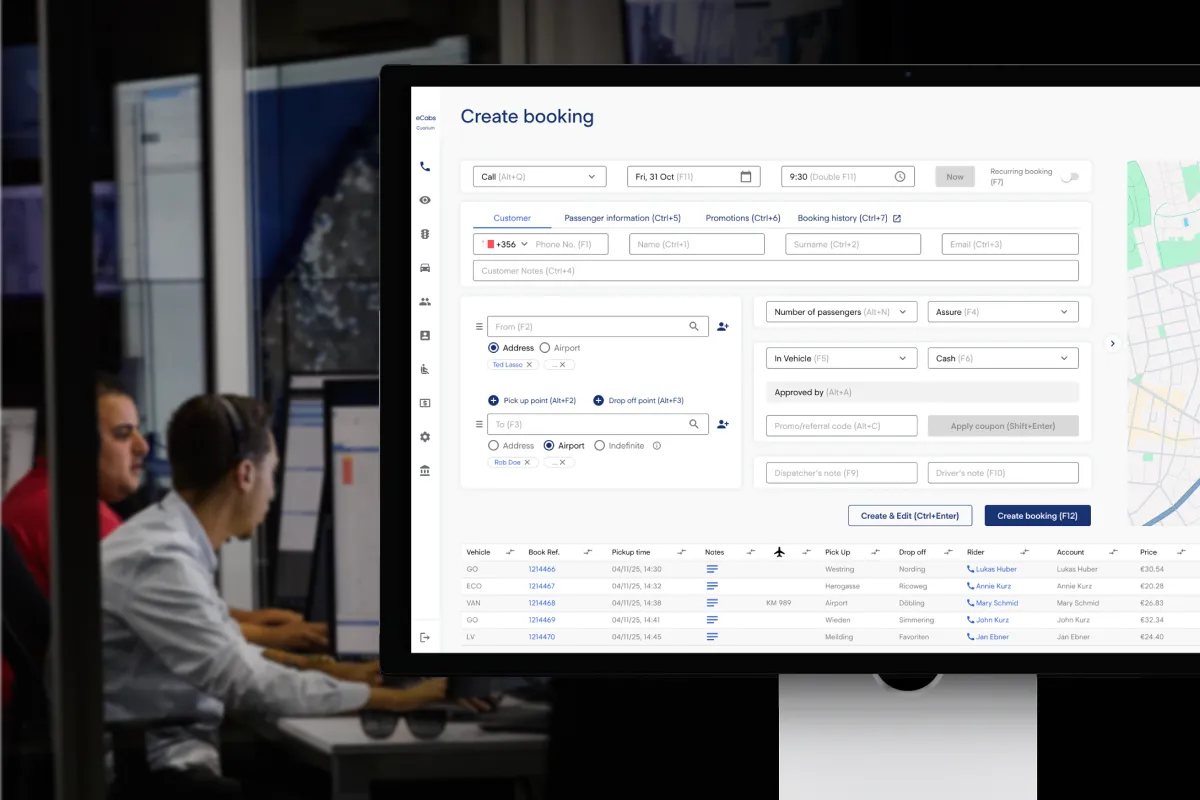
AVs will not be standalone consumer products. Some people will buy them, of course. But most driverless cars will run as fleets. They will be dispatched, priced, monitored and governed through mobility platforms like those powered by eCabs Technologies.
That is how this technology is spreading around the world.

Even in major capitals, autonomous trials run within tight regulatory frameworks. They need coordination between city authorities, transport agencies and licensing bodies.
This is where Malta already has an advantage. eCabs operates one of the largest fully compliant mobility fleets on the island. Our technology also powers ride-hailing operations in regulated markets across Europe and beyond.
That makes us a natural link between driverless vehicle makers and national regulators. We offer a neutral operating layer where the technology can be tested.
We are not waiting for Malta. We have already started building the infrastructure, so that when Frankfurt, Bratislava or Australia introduce AVs, we will be ready.
At the Vienna conference, the AV industry leaders I met all agreed. A Maltese regulatory sandbox would turn a technical trial into a commercial reality check.
An opportunity beyond mobility
The economic upside goes further than transport. If Malta takes the lead, it will create demand for:
- insurance, legal and liability innovation
- safety certification
- regulatory technology
- compliance services
These are skills Malta could export.
The island cannot compete on hardware. But on governance and regulatory expertise, small countries can move faster than larger ones held back by bureaucracy.
Malta has won relevance before by making complex systems governable. If we wait, others will write the rules. If we move now, Malta can help write them.