Switching
A migration blueprint built around your operation
Every migration is different: your systems, processes, people and integrations shape the plan. We start by understanding how your operation works, then build a migration blueprint with you. Readiness criteria are agreed in advance, critical workflows are tested, and each transition is planned. Our team leads the work; you approve every step.
- 01UnderstandYour operation, in detail
- 02Launch-critical gapsScope what launch needs
- 03ConfigureSet up and test
- 04OnboardDispatchers and drivers, in phases
- 05Test in parallelA pilot, side by side where appropriate
- 06Rider appReleased in phases
- 07Go liveAn agreed cutover
- 08HypercareSupport and stabilise
Why every migration is different
No two taxi operations run the same way. Your current system, your booking channels, your integrations, your corporate accounts and the way your dispatchers work all shape the plan, and so do your people. A migration can be technically sound and still be slowed by how quickly drivers, dispatchers or riders take to the change. That is why there is no standard path, and why the plan is built around your operation rather than the other way round.
What we cannot know until discovery
We cannot give every answer before we understand how your operation actually works. Some questions, about your data, your integrations, your contracts and your peak hours, can only be answered during discovery, and we will tell you which ones. Before you commit to anything, your IT lead can test our assumptions directly with our technical team.
How we approach it
- Understand first. We start with your workflows, channels, data and dependencies, including the parts that work well and need to be protected.
- Keep the present operation running. Where it is appropriate, your current system keeps serving the work that has not moved, with clear rules for which bookings and drivers each system handles.
- Move in stages. Internal testing first, then selected dispatchers, drivers and customers, expanding only when the previous group is working well.
- Agree readiness criteria in advance. What good looks like for completed rides, call handling, payments, driver use and support is agreed before each stage starts.
- We lead, you approve. Our team leads the implementation; each stage ends with a joint review, and you approve the next step.
- We stay involved. Discovery, setup, training and go-live support come with every migration. Extended hypercare after go-live is part of the Growth and Enterprise+ plans; see pricing.
What the blueprint covers
The migration framework, stage by stage · your data · two systems side by side · keeping the phones ringing · drivers and dispatchers · taximeters and fiscal rules · leaving a shared app · what it costs
Operators who have already switched
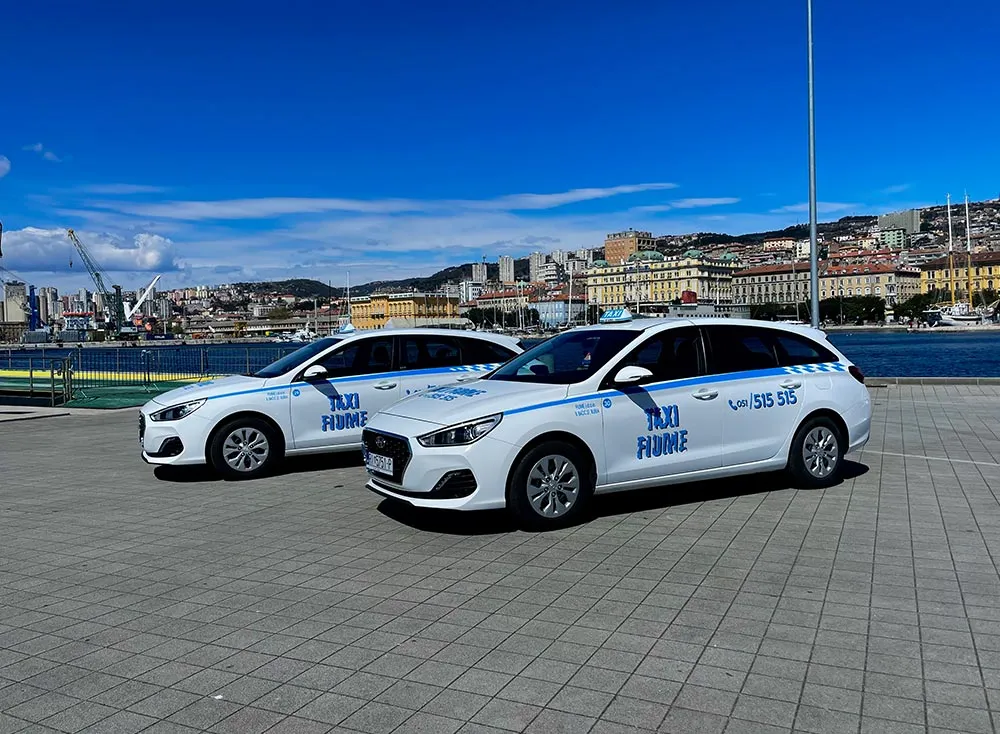
Taxi Fiume in Rijeka moved off a dispatch platform it had used for more than ten years while running 24/7. Volt in Sofia completed a structured migration from a legacy SaaS platform with operational continuity maintained throughout.
In their words
Moving from a system we had used for more than ten years was a major step for Taxi Fiume. The eCabs Technologies team supported us throughout the migration, launch and beyond, giving us the technology and guidance we need to modernise our operation and prepare for expansion beyond Rijeka.
 Dean Kovačević, Owner, Taxi FiumeRijeka, Croatia
FAQ
Questions operators ask
Can we switch dispatch systems without disrupting our operation?
That is what the plan is built around. Your current system keeps running underneath every stage until you decide to cut over, so phones, bookings and drivers always have a working system.
How long does a switch from a legacy system take?
Dates are set after a short discovery stage, once we have seen your system, data and integrations. The switch then runs in stages, and each stage ends with a joint go/no-go review where you decide to advance, adjust or pause.
What happens if the pilot does not go well?
You pause or adjust. Readiness criteria are agreed before each stage, and if one is not met the next stage does not start. Your current system is still running, so the operation is never left without a fallback.
Can we bring our customers and booking history with us?
Yes. We import the customer, account, address, booking-history, driver, vehicle, zone and tariff data you can lawfully and practically export from your current system, and check its quality and gaps before anything goes live.
Will we lose phone calls on the day we switch?
No. Phone numbers and call handling are planned as their own step, and your current system keeps taking calls until the agreed cutover. Phone bookings then run in the same dispatch as app and web orders.
Can our IT lead test the technical side before we commit?
Yes. Before any commercial commitment, your IT lead gets a technical session with our engineering leads covering architecture, data migration, integrations, security and support, and can challenge every assumption.
Proof
Operators who made the switch


Next step
Talk to us about your operation
A no-commitment conversation about how your operation works today, and a technical session for your IT lead if that helps. We will tell you honestly what we know, what we would need to find out, and whether a migration makes sense.
- A migration blueprint built around your operation
- Your current system keeps running while each step is tested
- Honest answers, including what we need to find out first