Mobility
Europe’s Ride-Hailing Crossroads: Will We Build or Be Bought?
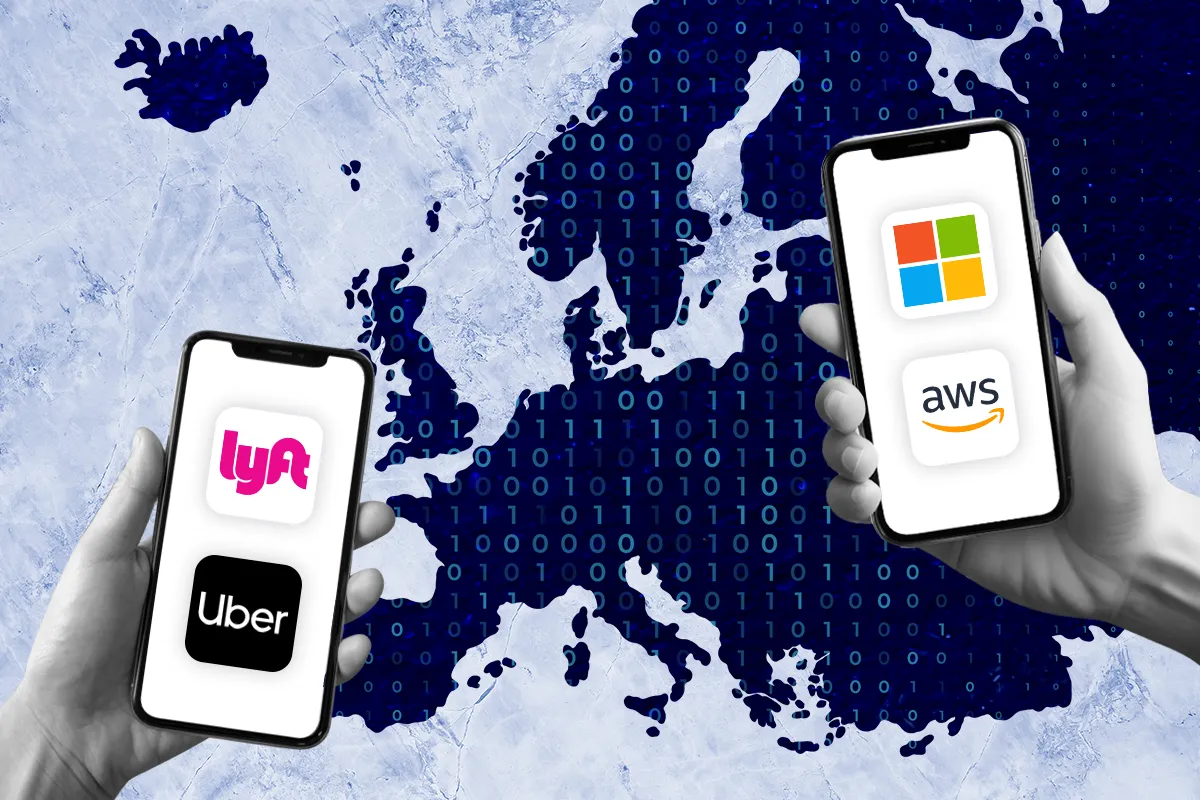
SaaS is the new infrastructure, and Europe’s future depends on who owns it.
Europe’s streets are changing, fast. The way people move through cities, from airport runs to everyday commutes, is increasingly dictated by the swipe of an app. With the European ride-hailing and taxi industry forecast to reach €200 billion by 2030, and growing at a strong 10 to 15 percent annually, the opportunity is nothing short of transformative.
But so far, the biggest winners of this transformation are not European.
Across the continent, American platforms dominate. Uber is embedded in nearly every major city. Lyft, through its acquisition of Free Now, controls a significant share of the market in Germany, and beyond. These companies did not just compete; they scaled faster, lobbied harder, and positioned themselves as indispensable infrastructure.
A Market Europe Forgot to Own
It is not that Europe lacked the ingredients to lead. It still has them: world-class cities, high urban density, and a deep-rooted public mandate for sustainable, efficient transport. What has often been missing is a unified digital infrastructure and the boldness to think and scale like global tech platforms.
One notable exception is Estonia’s Bolt, the only major European ride-hailing platform operating at scale. Its resilience is a blueprint for what is possible when European innovation meets execution.
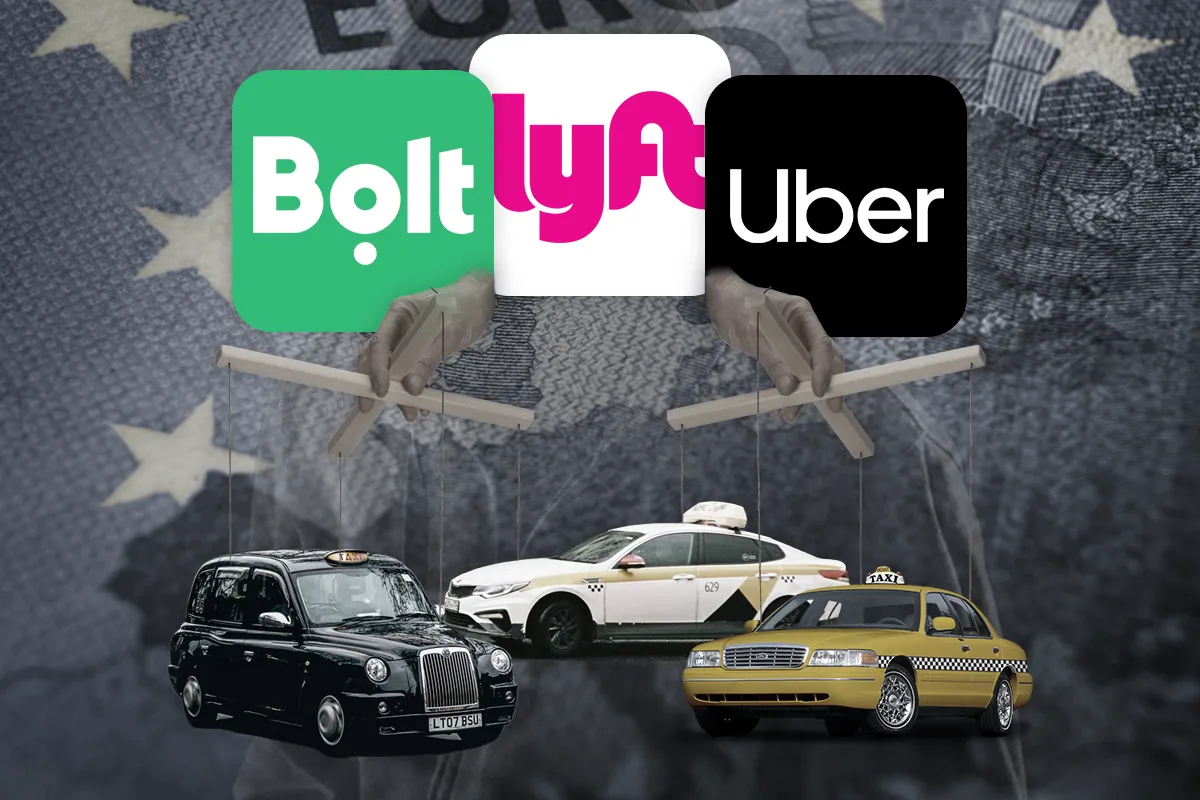
Elsewhere, fragmentation and inaction have left traditional operators exposed. Perhaps the most symbolic moment came in 2020, when Uber acquired UK-based Autocab, once a neutral SaaS provider powering thousands of local taxi firms. The same disruptor that once sought to replace taxi services now powers the software many of them rely on. Infrastructure, once neutral, has become strategic.
The Real Battleground: Software
The next chapter of this industry will not be decided solely by consumer-facing brands, but by who controls the Software-as-a-Service (SaaS) layer, the digital infrastructure behind every booking, dispatch, and payment.
This model protects driver livelihoods, restores regulatory balance, and reinforces data sovereignty, giving cities control over their mobility ecosystems. It is also a statement of European intelligence and leadership, proving that we can build scalable infrastructure aligned with local interests – not outsourced to foreign platforms.
This is where Europe still has a real opportunity to lead.
Companies like eCabs Technologies, based in Malta, are quietly building the software stack that enables local ride-hailing and taxi operators to digitise, compete, and scale without surrendering their independence. By offering white-label platforms tailored to local needs, they are helping cities and entrepreneurs take back control of their mobility ecosystems.
This model protects driver livelihoods, strengthens regulatory alignment, and ensures that Europe’s ride-hailing future is shaped by local intelligence and leadership, not just foreign balance sheets.
A Market Accelerating in Our Favour
Encouragingly, the macro tailwinds are undeniable.
- Urbanisation is increasing, concentrating demand for fast, flexible transport.
- Younger generations prefer access over ownership and are far more likely to hail a ride than buy a car.
- Cultural shifts toward sustainability, flexibility, and digital convenience are driving long-term behavioural change.
- Europe’s aging population is creating new, structural demand for accessible, on-demand mobility.
This is not a passing trend. It is a generational reset in how Europe moves.
A Call to Build
The question now is whether Europe chooses to own this transformation or simply participate in it as a customer.
The industry is growing. The infrastructure is taking shape. The market is wide open. But unless Europe builds and backs its own champions, especially at the software layer, it risks trading one dependency for another.
As the EU debates digital sovereignty in cloud, AI, and semiconductors, mobility must not be left out. Ride-hailing is more than transport. It is infrastructure, and infrastructure is power.
With a €200 billion prize on the horizon, powerful demographic tailwinds, and the technological capability in place, the time for European leadership is now.
Because the real question is not who is in the driver’s seat today.
It is who is building the engine for tomorrow?
By Matthew Bezzina, eCabs Technologies’ CEO